Case Study | Cathodic Protection | Design and Installation
Essendon Storage Tank Design and Installation
Overview
The Essendon water storage tanks have been in continuous operation since 1971 and with our Cathodic Protection Design adn Installation project, the tanks are now expected to remain in service without further major works for an additional 30 years.
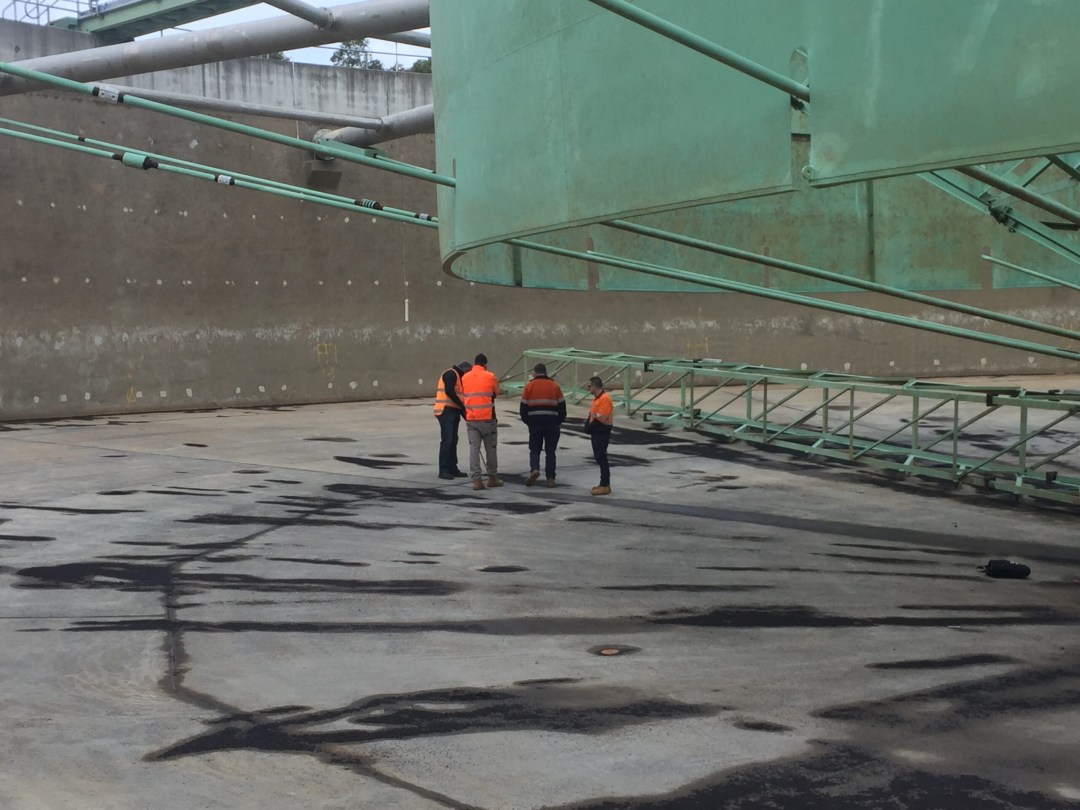
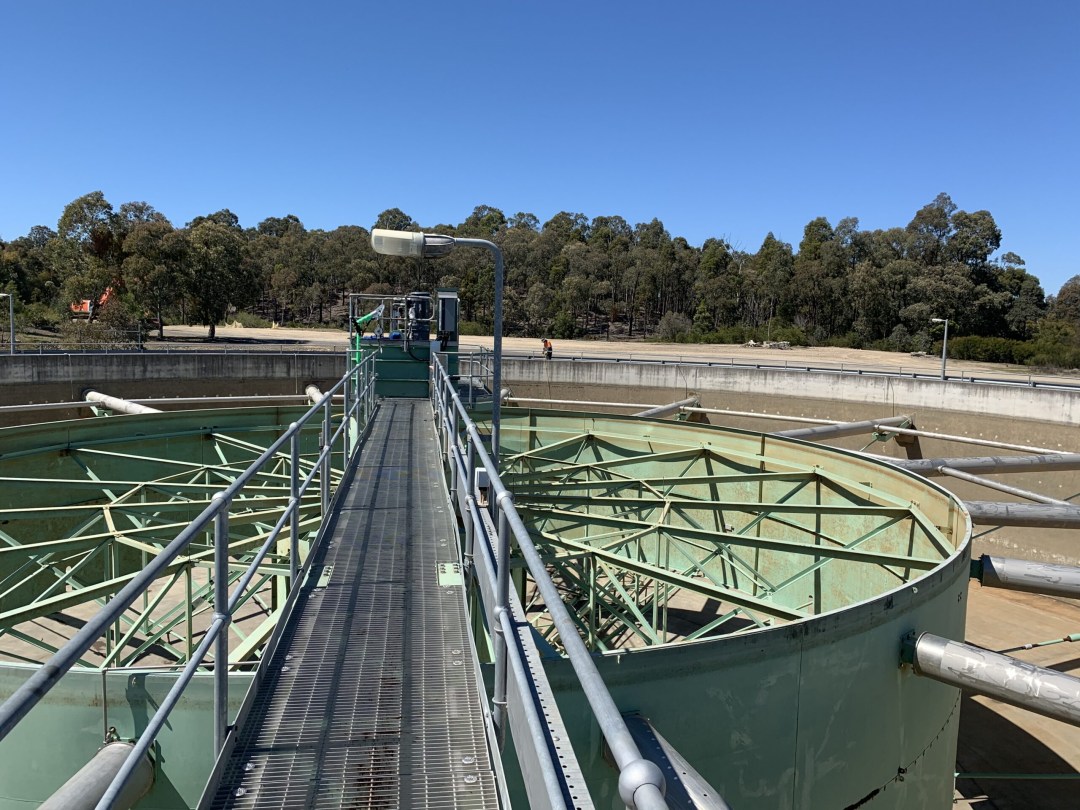
This refurbishment project involved two identical tanks, each with a capacity of 23 megalitres, measuring 62.5 metres in diameter and 7 metres in height.
Australasian Corrosion Consultants (ACC) was engaged to design, supply, install, and commission a new Impressed Current Cathodic Protection (ICCP) system to safeguard the internal surfaces of the tanks against corrosion, in accordance with AS2832.4 and Melbourne Water standards (CORR-04).
Project Work
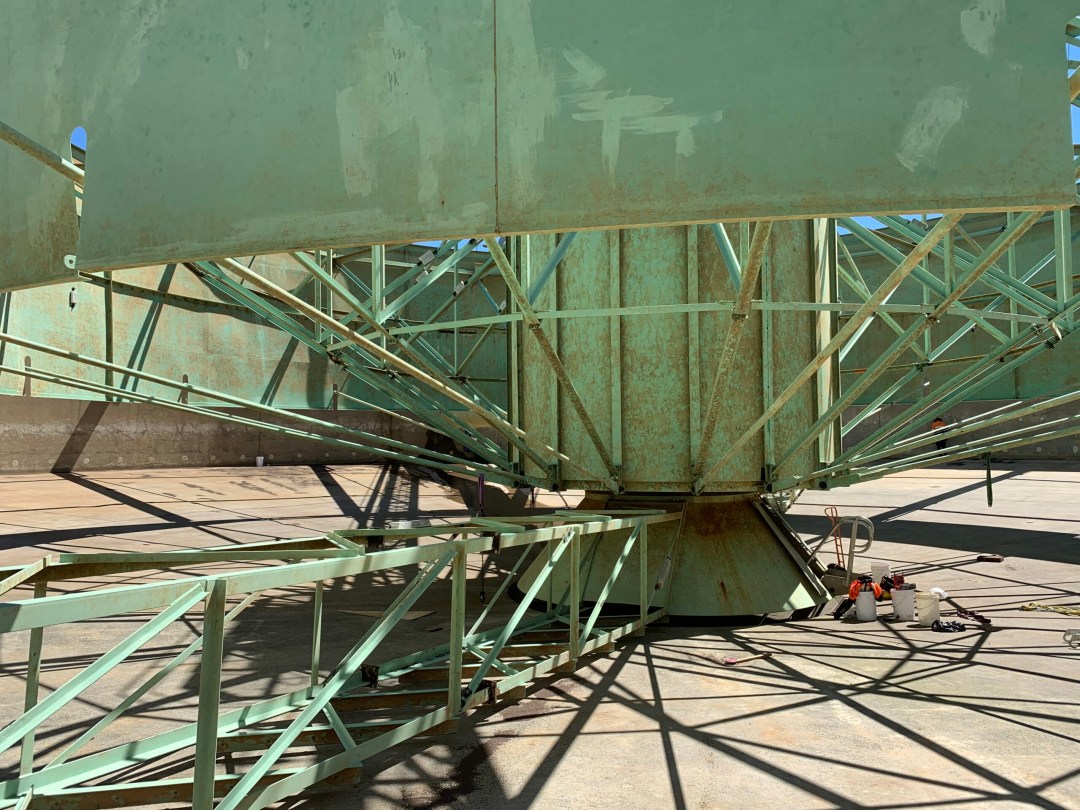
Prior to the ICCP system installation, the tanks were media blasted and recoated externally and internally using Sigmacover 280 Epoxy Primer and Sigmaguard CSF 585 Epoxy. This recoating process was undertaken by a separate contractor and involved complete removal of the old coating, followed by priming and top coating to ensure long-term durability.
ACC’s scope included:
- Decommissioning and disposal of the existing anodes, Transformer Rectifier Unit (TRU), and reference electrodes.
- Design and installation of a new ICCP system, including mixed metal oxide (MMO) anodes, cabling, and a new TRU.
- Testing and commissioning of the system to ensure compliance with relevant standards.
The ICCP system was engineered to maintain protective potentials between -850mV and -1200mV across all internal surfaces. The design accounted for water resistivity, potential coating defects, and targeted a 50-year service life. The TRU was specified to deliver increasing protection current over time, accommodating changes in system demand.
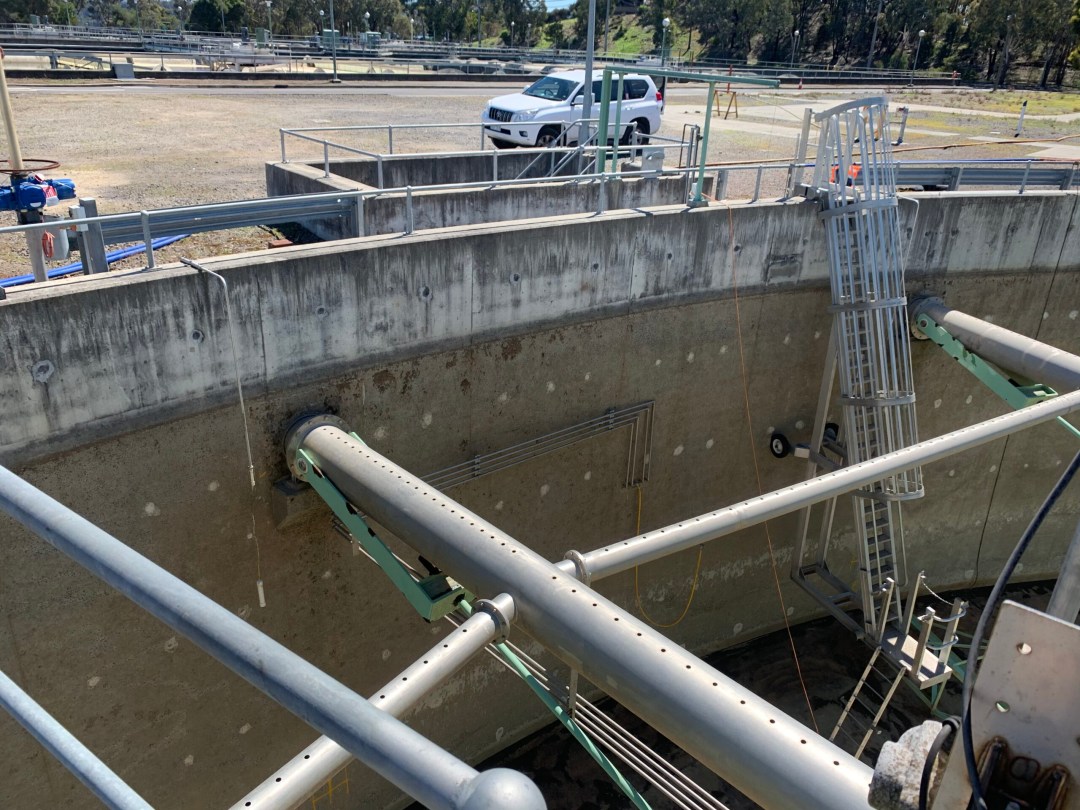
The system comprises a TRU connected to a cable distribution network and 10 MMO anodes suspended from the tank roof. These anodes are strategically positioned to ensure uniform current distribution. The current flows from the anodes through the water, targeting coating defects and providing effective corrosion protection.
Anodes are terminated in stainless steel junction boxes, interconnected via hot-dipped galvanized (HDG) conduit. This conduit offers superior durability compared to plastic alternatives, being resistant to UV exposure and environmental damage, including bird interference.
Let's Work Together!
Ready to safeguard your infrastructure? Reach out to our team to discuss your next project.